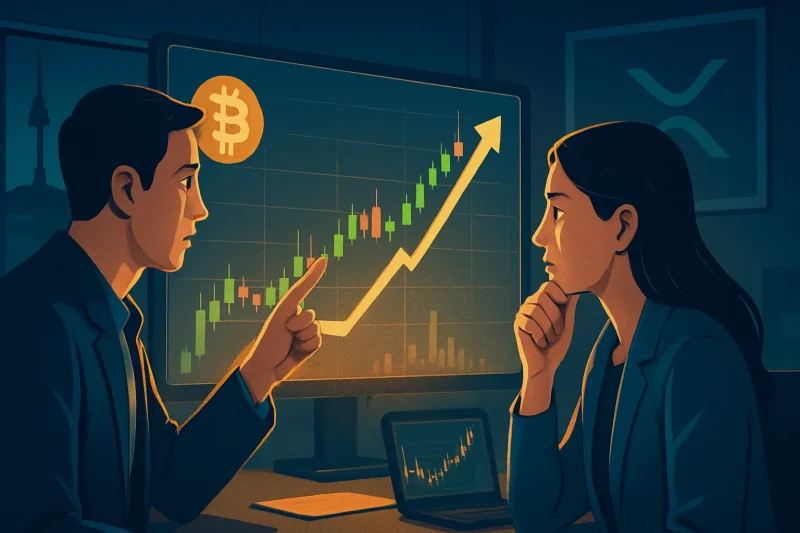
As Seoul’s morning opened, Bitcoin posted $67,001.92 (as of 2026-04-04T02:30:00.000Z). What looks small could spark something big.
Korea just flashed a unique market divergence—a sign global investors often miss until later.
🔍 What Makes Korea's Crypto Moves Unique?
Korea's crypto market is known for its distinctive trading patterns and regulatory environment. Unlike other countries, Korea has a significant retail investor base, driving unique price movements in digital assets. This matters globally because Korean exchanges like Upbit and Bithumb can influence international prices due to high trade volumes and liquidity. If you’ve traded in Seoul, you know this déjà vu feeling when local trends lead global shifts.
What sets Korea apart is its active regulatory oversight combined with a tech-savvy population eager to invest in cryptocurrency. This creates a fertile ground for rapid adoption and innovation but also introduces challenges, such as regulatory compliance and security issues.
⚡ How Does Korea Compare to Global Markets?
The divergence between Korean and global markets can be striking. For instance, during periods of global downturns, the "Kimchi premium"—a higher price for cryptocurrencies on Korean exchanges compared to international platforms—often resurfaces. Recently, Bitcoin traded at a 3% higher premium in Korea compared to the U.S., reflecting domestic demand dynamics that diverge from global trends.
This discrepancy offers opportunities for savvy traders who understand both markets' nuances. However, it also requires careful navigation due to potential regulatory risks and sudden market shifts.
Do you see these discrepancies as opportunities or risks?
💡 What Is the Kimchi Premium All About?
The Kimchi premium is essentially the extra cost Koreans pay for cryptocurrencies compared to other countries—a phenomenon driven by high demand and limited supply within Korea's borders. Think of it as paying more for imported goods due to taxes or shipping costs; here it’s about regulatory barriers and capital controls limiting arbitrage opportunities.
This premium not only highlights Korea's isolation from broader crypto flows but also acts as an indicator of local investor sentiment—when premiums rise, it suggests heightened optimism or fear among Korean traders.
🎯 Should You Adjust Your Investment Strategy?
If you're considering entering the Korean market or adjusting your current strategy, it's essential to weigh whether you're a conservative or active investor. Conservative investors might stay cautious amid volatile premiums and focus on well-established coins like Bitcoin or Ethereum. Active traders could exploit short-term price differentials across exchanges but must remain vigilant about timing and regulation shifts affecting trade execution.
Add KRW turnover share to your watchlist—tomorrow’s move could be the surprise setup.
🚀 What's Next for Korea's Crypto Market?
The future holds both promise and uncertainty for Korea's crypto landscape. As regulations evolve and technology advances, new entrants may reshape market dynamics while existing players adapt strategies accordingly. I’d probably stay cautious here...
The key will be monitoring local signals closely—from government policy updates to changes in trading volumes—as these will likely dictate upcoming trends more than ever before.
What do you think this means for the market?

