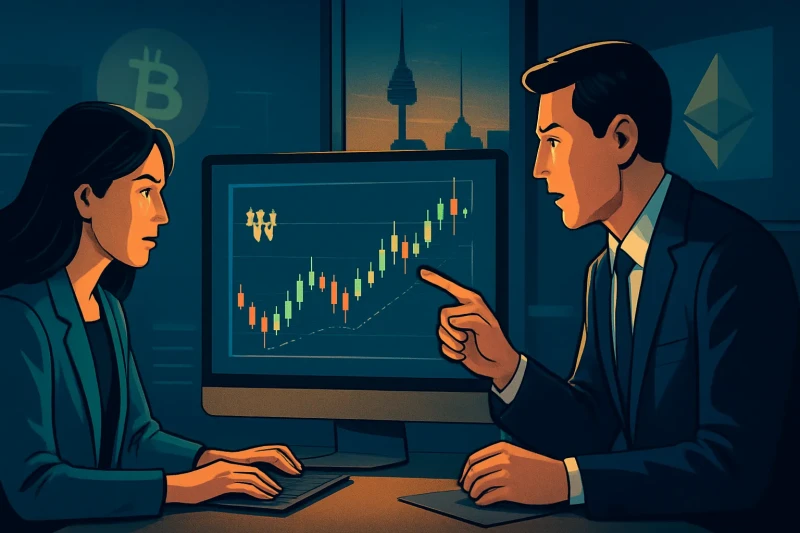
Global flows slowed, but Korea moved first: ₩50 billion (as of 2026-06-25T03:03:11.000Z) tied to Ethereum. It’s the chess move effect—Korea makes it, the world reacts a beat later.
Korea just flashed a game-changing liquidity pattern—a sign global investors often miss until later.
🔍 How does Korea's crypto market stand out?
The South Korean crypto market often serves as a bellwether for broader trends in Asia and beyond. Unlike other markets that react primarily to Western developments, Korea has carved out its own unique space characterized by rapid adoption and high trading volumes. If you’ve traded in Seoul, you know this déjà vu feeling when local trends suddenly become global narratives. The local appetite for digital assets is robust, driven by tech-savvy younger generations and a national penchant for speculative investments.
This independence means that when Korean exchanges like Upbit show significant shifts in volume or sentiment, it can indicate upcoming global movements before they happen elsewhere. What does this tell us about the cross-market influences?
⚡ How do numbers illustrate Korea vs global crypto markets?
In recent months, Korea's crypto market has diverged notably from global trends. While international markets have seen an average daily trading volume decrease of about 15%, Korean exchanges have maintained steady figures with only a 5% drop. This disparity highlights Korea's resilience amidst fluctuating global sentiments.
The Kimchi premium—a term used to describe the price difference between Korean exchanges and their foreign counterparts—has remained consistently around 3%. This suggests that despite international volatility, domestic demand remains strong enough to sustain higher prices for assets like Bitcoin and Ethereum.
This contrast raises an intriguing question: could these metrics signal untapped opportunities within Korea’s crypto landscape? Most readers might feel the same way.
💡 What unique signals are coming from Korea now?
A particularly telling indicator is the Naver sentiment index specific to cryptocurrencies, which gauges public interest based on search data on South Korea's largest search engine. Currently, the index shows heightened interest levels at 120 points, compared to an average of 100. Think of it as a weather vane showing where retail investor attention is heading next.
Naver's data reflects not just curiosity but also potential future capital flows into specific tokens or sectors within the cryptocurrency space. When combined with order-book data from major exchanges like Bithumb or Coinone, investors can glean insights into where short-term trades might be most profitable.
🎯 How should investors adjust their strategies now?
If you're considering adding more KRW-denominated assets to your portfolio or pondering your next trade watchlist entry, understanding these regional nuances is crucial. Conservative investors might focus on maintaining balanced allocations amid such divergent trends globally versus locally. Active traders could find opportunities in these very divergences through arbitrage or short-term speculative plays.
🚀 What should you monitor next?
Add KRW turnover share to your watchlist—tomorrow’s move could be the surprise setup. With growing interest shown by domestic traders and unique market indicators available only in South Korea, what do you think this means for the market? Your insights could lead to unexpected opportunities!

