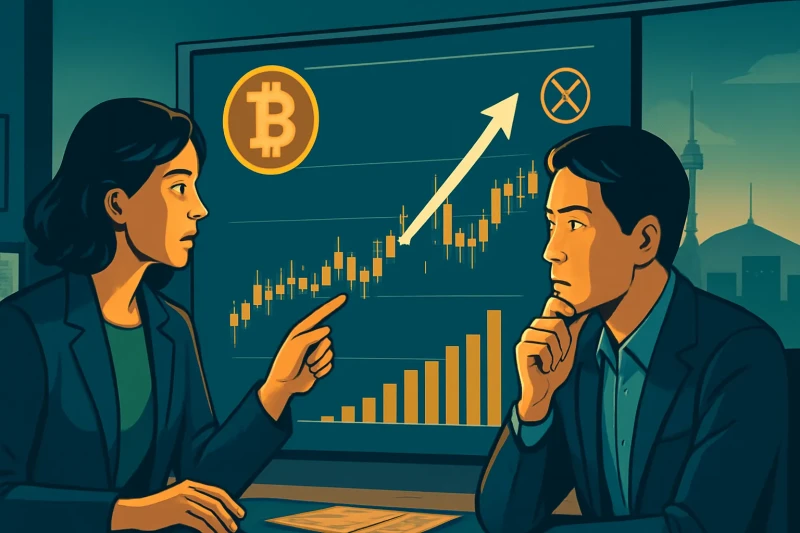
Global flows slowed, but Korea moved first: BTC trading volume increased by 5.3% (as of 2026-07-19T15:19:21.000Z) tied to significant investor interest in Seoul.
It’s the chess move effect—Korea makes it, the world reacts a beat later.
🔍 Why Does Korea's Crypto Move Matter Globally?
Korea's crypto market is often seen as an early indicator of global trends due to its unique characteristics and investor behavior. Known for its rapid adoption of technology and speculative trading practices, Korea frequently sets the stage for broader market movements. The recent uptick in BTC trading volume indicates heightened activity among Korean investors, which can signal shifts in sentiment that ripple outward to global markets.
If you’ve traded in Seoul, you know this déjà vu feeling—the city's traders often act as precursors to larger trends.
⚡ How Does Korea Compare with Global Markets?
The Korean market is distinct not just for its pace but also for its divergence from global averages. As Bitcoin trading volumes rise by 5.3%, contrasting the relatively flat global trend over the same period, it's clear that Korean investors are moving more aggressively into cryptocurrencies.
This divergence offers both opportunities and challenges for global investors looking to capitalize on these movements. For instance, while global BTC prices have stabilized around $65,257, Seoul's exchanges are seeing BTC prices at a slightly higher rate due to local demand dynamics—a phenomenon known as the "Kimchi premium."
Could this difference be an opportunity or risk for your portfolio?
💡 The Kimchi Premium: A Unique Indicator
The Kimchi premium serves as a barometer for investor sentiment in South Korea. It's akin to how a slight temperature change can indicate upcoming weather shifts; here, even a small premium can suggest rising or falling confidence among local traders.
This premium occurs when cryptocurrencies trade at significantly higher prices on Korean exchanges compared to their international counterparts. It points toward strong domestic demand often driven by retail investors eager for quick gains.
🎯 Should You Be Conservative or Active?
The decision between conservative and active strategies largely depends on your risk appetite and investment horizon. For conservative investors who value stability over high returns, monitoring these divergences closely while maintaining diversified portfolios might be wise. Those with a penchant for active trading might find the fluctuations in Korean markets ripe for short-term gains but should remain cautious of volatility spikes.
Your checklist should include tracking KRW turnover share—it could reveal tomorrow's surprise setup!
🚀 What Should You Watch Next?
Add KRW turnover share to your watchlist—tomorrow’s move could be the surprise setup that defines market directions globally.
If you had access to these insights earlier, would it have changed your investment strategy? What do you think this means for the market?

