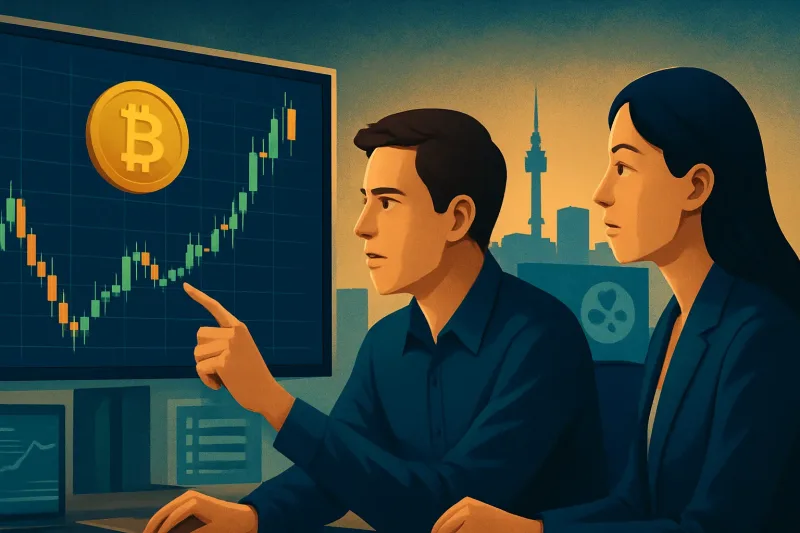
Global flows slowed, but Korea moved first: Bitcoin's price increased by 2% (as of 2026-08-14T22:16:31.000Z) tied to a strategic regulatory shift in Seoul. It’s the chess move effect—Korea makes it, the world reacts a beat later.
🔍 How Does Korea's Crypto Regulation Impact Global Markets?
Korea's recent regulatory changes have been pivotal for the crypto market, especially for investors watching from afar. The country's Financial Services Commission (FSC) announced stricter guidelines on Initial Coin Offerings (ICOs), which has turned heads globally. This move is significant because South Korea is one of the largest markets for crypto trading, and its policies often set trends that ripple through global markets. For instance, when Korea imposed a ban on anonymous trading accounts in 2018, it sent shockwaves across the world.
If you’ve traded in Seoul, you know this déjà vu feeling. What happens in Korea doesn’t stay in Korea; it creates a domino effect that can shift market sentiment worldwide.
⚡ What Are The Key Divergences Between Korean and Global Markets?
The divergence between Korean and global crypto markets is increasingly apparent when analyzing trade volumes and price movements. While Bitcoin saw an increase of 2% locally, globally it remained relatively stable with less than a 0.5% rise during the same period. This discrepancy highlights Korea’s unique position as both a trendsetter and anomaly within the crypto space.
The "Kimchi premium," where cryptocurrencies trade at higher prices on Korean exchanges compared to international ones, has re-emerged as a noteworthy phenomenon. Investors are keenly observing how this affects arbitrage opportunities and overall market liquidity.
📘 Curious how this post was built? GPT did the heavy lifting—try it too.
💡 Is The Kimchi Premium Back?
The Kimchi premium serves as a unique indicator of local demand outstripping global supply—a financial barometer of sorts for cryptocurrency enthusiasm within South Korea. When this premium widens, it's akin to seeing steam escape from a pressure cooker; it signals intense buying pressure that could either burst or stabilize depending on subsequent regulatory actions and international reactions.
🎯 How Should Investors React To These Shifts?
Navigating these shifts requires strategic foresight. Conservative investors might opt to remain cautious until more regulatory clarity emerges globally, while active traders could see these divergences as ripe opportunities for arbitrage or short-term gains.
Your next trade watchlist should include assets heavily impacted by Korean regulations like Bitcoin and Ethereum due to their substantial trading volumes within the nation.
🚀 What Should You Add To Your Watchlist Next?
Add KRW turnover share to your watchlist—tomorrow’s move could be the surprise setup you need to stay ahead in volatile times. Most readers might feel the same way about staying vigilant amid such dynamic market conditions.
What do you think this means for the market?

