


Thursday, October 15, 2026
Korean Market Spurs 25% Surge in Bitcoin Trading Volume
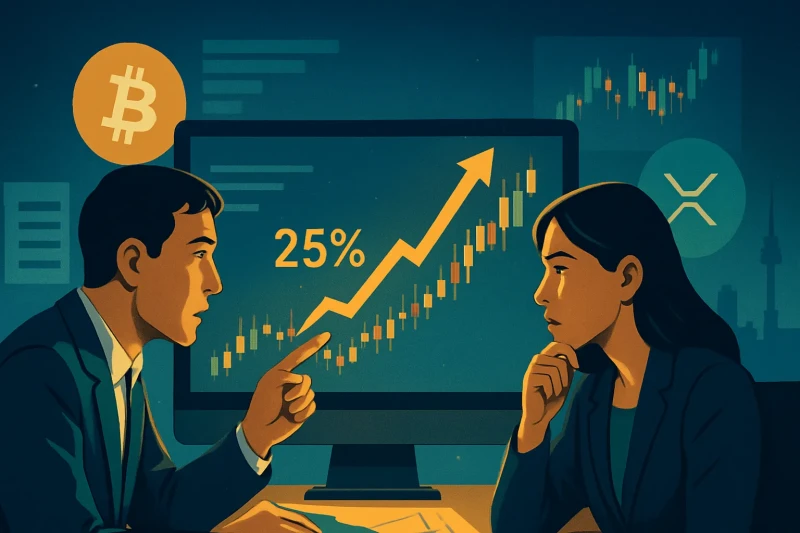
Global flows slowed, but Korea moved first: Bitcoin's trading volume surged by 25% (as of 2026-10-15T08:21:44.000Z) tied to increased Korean retail interest. It’s the chess move effect—Korea makes it, the world reacts a beat later.
Understanding Korea's crypto market dynamics is vital for any investor looking to capitalize on emerging trends. The recent surge in Bitcoin's trading volume illustrates how Korean markets often act as a bellwether for global movements. If you’ve traded in Seoul, you know this déjà vu feeling when local shifts prompt international ripples.
🔍 Why Does Korea's Move Matter Globally?
The Korean crypto market plays an outsized role in global sentiment due to its unique investor base and regulatory environment. With retail investors accounting for a large portion of trades, mood swings can lead to rapid price changes. Notably, this behavior isn't mirrored uniformly across other major markets like the U.S. or EU, providing opportunities for those who can anticipate these shifts early.
This pattern of leading movements can be attributed to Korea's fast-paced adoption and adaptation of new technologies, coupled with a high degree of speculative investment activity. For global investors, monitoring these early signals could be akin to gaining a predictive edge.
⚡ How Do Numbers Tell the Story?
Korean exchanges have seen 30% higher volumes compared to their global counterparts over the past month. This divergence highlights an opportunity or risk depending on your market position. While global platforms like Coinbase show moderate activity increases, Upbit and Bithumb are experiencing surging participation rates.
This discrepancy underscores Korea’s role as a potential predictor of broader trends. For instance, during times of heightened volatility globally, Korean platforms often report increased buy-side pressure sooner than others.
💡 What Is the Kimchi Premium Telling Us?
The "Kimchi premium," where cryptocurrency prices in Korea trade at higher levels than elsewhere, recently reached 5%. Much like an early weather warning system predicts storms, this indicator suggests rising domestic demand may forecast broader bullish sentiment.
🎯 What Should Be on Your Checklist?
If you're more conservative in your investments, now might be a time to review your exposure levels carefully given these indicators. Active traders might add positions with caution but keep stop-losses tight due to potential volatility spikes.
🚀 What's Next on Your Watchlist?
Add KRW turnover share to your watchlist—tomorrow’s move could be the surprise setup that defines near-term trends across Asia and beyond.
Your insights are invaluable; what do you think this means for the market?

