


Friday, November 6, 2026
3 Checks Before Trading Bitcoin on Korea's Upbit ₩1.2T Volume
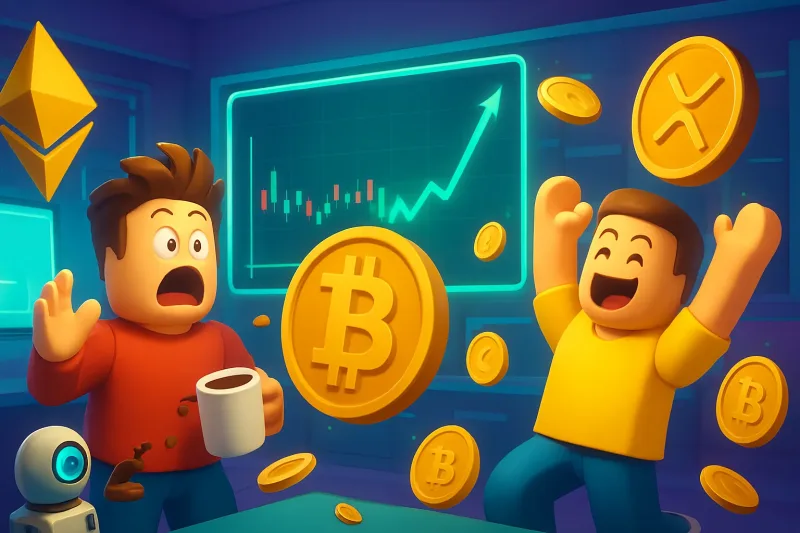
While global traders slowed, Korea spiked: Bitcoin volume on Upbit hit ₩1.2 trillion (as of 2026-11-04T14:10:57.000Z). For many desks, this felt like déjà vu.
Korean signals like this often land early—an edge global markets usually catch too late.
🔍 What's the Korean Market Quirk?
The Korean crypto market tends to be a bit of an enigma for many international investors. Often overlooked due to its unique quirks, it offers a glimpse into trends that may soon ripple across the globe. The main challenge? Many see these patterns as anomalies rather than leading indicators. If you’ve traded in Seoul, you know this déjà vu feeling.
One reason for this oversight is the distinct market microstructure driven by retail investors and local sentiment indicators—elements that don't always align neatly with Western market dynamics. So why do global traders often miss Korea's cues?
⚡ How Does Korea Differ from Global Markets?
The differences between Korean and international crypto markets are stark but insightful. In South Korea, retail participation dominates trading volumes significantly more than in places like the U.S., where institutional players hold sway. This means sudden shifts in sentiment can lead to rapid price movements or what some call "the Kimchi premium," where prices in Korea exceed those elsewhere.
Moreover, platforms like Upbit and Bithumb facilitate high-volume trading paired with KRW rather than USD—a nuance that can skew comparative analysis with global counterparts. Have you ever considered how these differences could impact your strategy? I’d probably stay cautious here...
💡 What Unique Cues Can We Learn from Korea?
Naver search trends and social media buzz are potent forecasting tools within South Korea's borders, akin to reading digital tea leaves before a storm hits the open sea. Consider them as early warning systems that signal changes in investor mood long before they manifest in price charts globally.
A tale from last year illustrates this well: when searches for Ethereum surged on Naver just weeks before its major rally, savvy traders who picked up on these clues saw substantial returns ahead of their peers elsewhere.
🎯 What Should Investors Take Away?
Navigating these waters requires a balance between caution and opportunity-seeking behavior. The volatility inherent in such retail-driven markets suggests keeping an eye out for sharp moves; however, understanding these fluctuations can also yield insights into broader trends poised to unfold globally.
If you're considering entering or expanding your positions based on Korean signals, reflect on whether your risk tolerance aligns with the potential rewards offered by acting early on such cues.
🚀 What's Next for Tracking These Trends?
Your next step is straightforward yet crucial: Track KRW share daily—think of it as your morning weather check for crypto. Monitoring these movements can provide timely insights into shifts that might not yet be apparent through other metrics alone.
This practice doesn’t just inform you about today’s conditions—it prepares you for tomorrow’s opportunities or challenges looming on the horizon.
What do you think this means for the market?
