


Sunday, November 1, 2026
Korean Crypto Trading Volume Surges 15% Amid Global Slowdown
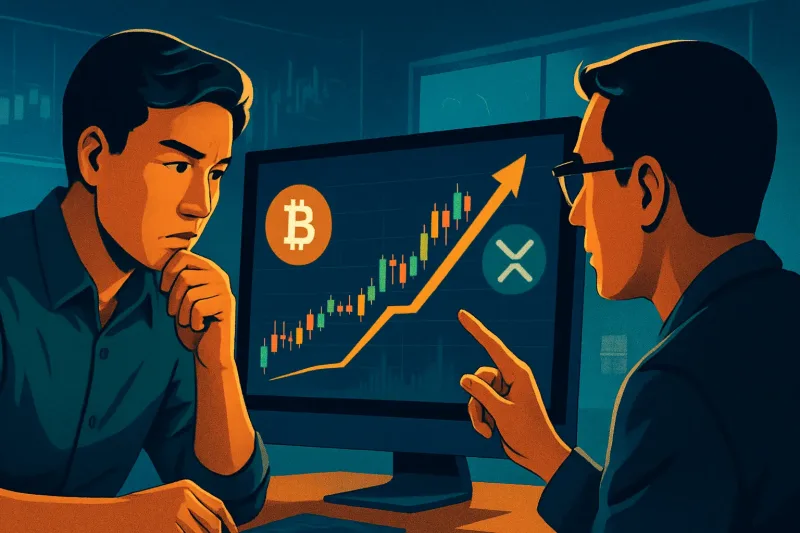
Global flows slowed, but Korea moved first: Bitcoin's trading volume surged by 15% (as of 2026-11-01T07:21:22.000Z) tied to speculative buying on Upbit.
It’s the chess move effect—Korea makes it, the world reacts a beat later.
🔍 Why is Korea's Crypto Market Unique?
Korea’s crypto market has long been known for its unique characteristics and active retail participation. One notable element is the "Kimchi premium," where cryptocurrencies trade at higher prices in Korea compared to other global markets. This premium reflects both local demand and regulatory constraints that limit arbitrage opportunities. Globally, investors eye this premium as a sign of potential bullish or bearish trends, depending on its movement. If you’ve traded in Seoul, you know this déjà vu feeling—it’s a market that often catches fire before others do.
⚡ How Does Korea Compare with Global Markets?
The divergence between Korea and global crypto markets can be stark. While global Bitcoin volumes grew by 5%, Korean exchanges like Upbit reported an increase of 15%. This gap suggests stronger speculative activity within Korea, driven partly by retail investors who are quick to react to news and trends. In contrast, global markets tend to be more influenced by institutional players who take a longer-term view.
A question for our analytical readers: Could this volume surge indicate deeper market sentiment shifts?
💡 What is the Kimchi Premium Telling Us Now?
The Kimchi premium offers insights similar to reading tea leaves in crypto. Currently, it's hovering around 3%, down from last month's 5%. A narrowing premium might indicate Korean traders taking profits or reallocating investments elsewhere. Consider it like an early warning system; when it narrows significantly or disappears, it might suggest impending corrections or changes in market sentiment.
🎯 Should You Adjust Your Strategy Based on These Signals?
This unique interplay between local cues like the Kimchi premium and broader market trends requires strategic finesse from investors. Conservative investors might consider maintaining a diversified portfolio while monitoring these signals closely for any drastic changes. Active traders could leverage these insights for short-term gains, particularly when Korean volumes spike unusually compared to global averages.
If you're crafting your next trade watchlist, should KRW turnover share be part of your checklist?
🚀 Looking Ahead with Caution and Curiosity
I’d probably stay cautious here—the interplay of local signals like Kimchi premiums can sometimes obscure risks as well as opportunities. Add KRW turnover share to your watchlist—tomorrow’s move could be the surprise setup.
What do you think this means for the market?
