


Sunday, November 1, 2026
Watch Bitcoin Trading Volume Surge 37% in Korean Market
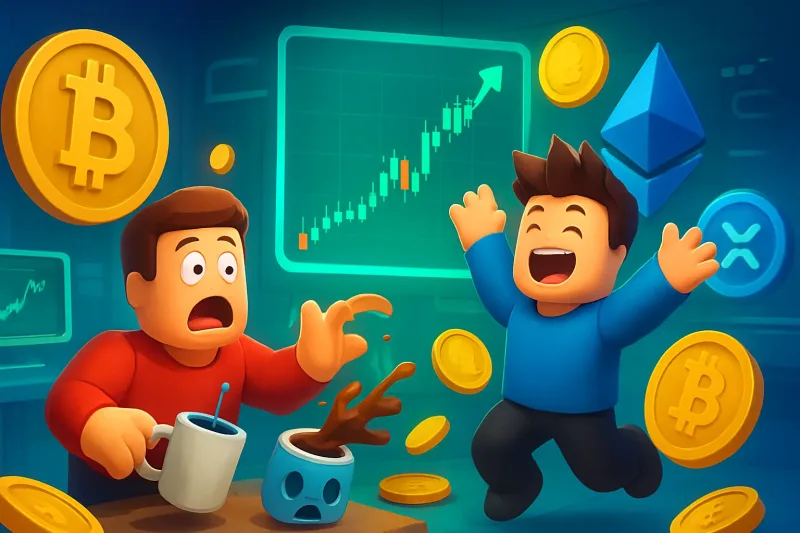
While global traders slowed, Korea spiked: Bitcoin trading volume surged by 37% (as of 2026-11-01T08:21:01.000Z). For many desks, this felt like déjà vu.
Korean signals like this often land early—an edge global markets usually catch too late. If you’ve traded in Seoul, you know this déjà vu feeling.
🔍 Why is Korea's Market Overlooked?
The Korean crypto market often flies under the radar for many international investors, despite its significant influence on global trends. The "Kimchi premium," where Bitcoin trades at a higher price in Korea than elsewhere, is just one example of a market quirk that can lead to mispricing opportunities. However, local regulatory hurdles and language barriers might deter some from engaging with these early signals. Yet, overlooking Korea could mean missing out on crucial price movement insights.
⚡ How Does Korea Compare to Global Markets?
Korea's crypto market exhibits unique characteristics compared to its global counterparts. For instance, while the U.S. market typically follows macroeconomic cues such as Federal Reserve policies or inflation rates, the Korean market responds more swiftly to domestic news and sentiment shifts among retail investors. A stark contrast lies in liquidity levels; during high volatility periods, Korean exchanges have seen liquidity swell by over 50%, while other markets remained stagnant.
If you're considering diversifying your investments globally, could ignoring these local nuances be a missed opportunity?
💡 What Unique Signals Can We Track?
The Kimchi premium is not just an anomaly but a potential forecasting tool for future price movements. This phenomenon stems from domestic demand fluctuations influenced by cultural factors and economic sentiments unique to Korea. Think of it as an exclusive weather vane pointing towards upcoming storms or sunny spells in the crypto landscape.
I’d probably stay cautious here if I were solely reliant on Western indicators without considering these localized metrics.
🎯 What Should Investors Do Next?
The takeaways for investors are twofold: caution and opportunity coexist in this dynamic environment. While the volatility presents risks, it also opens doors for strategic positioning ahead of global trends. Monitoring key indicators like KRW share daily could serve as your morning weather check for crypto investments.
🚀 Practical Steps Forward
Your next steps should include integrating these insights into your investment strategy by tracking platforms like Naver for sudden spikes or analyzing order-book imbalances that hint at upcoming shifts. Remember, understanding local cues can provide a competitive edge far beyond what's visible through traditional Western lenses.
What do you think this means for the market?
