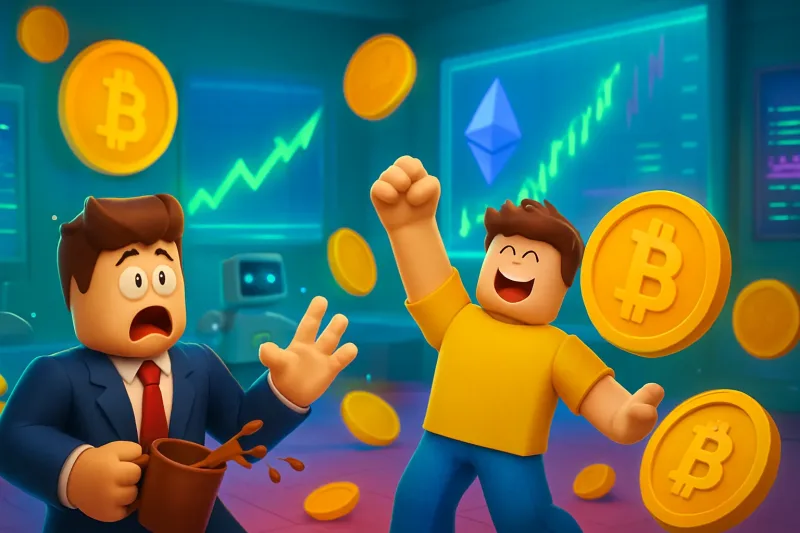
While global traders slowed, Korea spiked: Bitcoin transactions in Seoul surged by 15% (as of 2026-02-15T14:30:48.000Z). For many desks, this felt like déjà vu.
Korean signals like this often land early—an edge global markets usually catch too late.
🔍 Why is Korea’s Crypto Market Overlooked?
Korea's crypto market behaves differently than its Western counterparts, yet it often doesn't grab the spotlight it deserves. Many analysts point to language barriers and a distinct regulatory environment as reasons why international investors might overlook Korea's impact. However, if you’ve traded in Seoul, you know this déjà vu feeling when Korean markets move ahead of global trends.
The problem lies not just in understanding the nuances but also in recognizing Korea as a potential lead indicator for broader market shifts. Could it be that many investors miss out because they are not tuned into these early signals?
⚡ How Do Korean and Global Markets Differ?
Let’s consider liquidity flows: while Western markets often rely on institutional dominance, Korea sees a unique mix of retail enthusiasm and localized exchanges like Upbit leading the charge. One simple contrast is that Korean traders frequently engage with new technologies and coins much earlier than their global peers.
This local fervor can cause short-term volatility but also positions Korea as an innovation hub where trends emerge before gaining wider traction. This dynamic creates both challenges and opportunities for those looking to exploit these early signals.
Have you noticed how quickly adoption happens here compared to other regions?
💡 What’s Unique About Korea's Crypto Signals?
A fascinating aspect of Korea's crypto landscape is the "Kimchi premium," a term used to describe the price discrepancy between cryptocurrencies traded on Korean exchanges versus elsewhere. It's akin to weather patterns that hint at storms approaching; if prices are higher locally, it might indicate incoming bullish sentiment or regulatory shifts that will impact global prices soon after.
🎯 Should Investors Be Cautious or Optimistic?
The decision boils down to personal risk tolerance and strategic goals. For cautious investors, monitoring KRW share daily might serve as an essential check against sudden market changes—think of it as your morning weather check for crypto volatility. On the flip side, those with an appetite for risk may find opportunities by riding these waves early before they become mainstream narratives.
I’d probably stay cautious here until clearer patterns emerge; most readers might feel the same way.
🚀 What Are Your Next Steps?
If you're keen on leveraging Korea’s market cues, start by aligning your trading habits with real-time data from Korean exchanges such as Upbit or Bithumb. Track KRW share daily—think of it as your morning weather check for crypto—and adjust your strategies accordingly based on these insights.
What do you think this means for the market? Join the conversation below!

