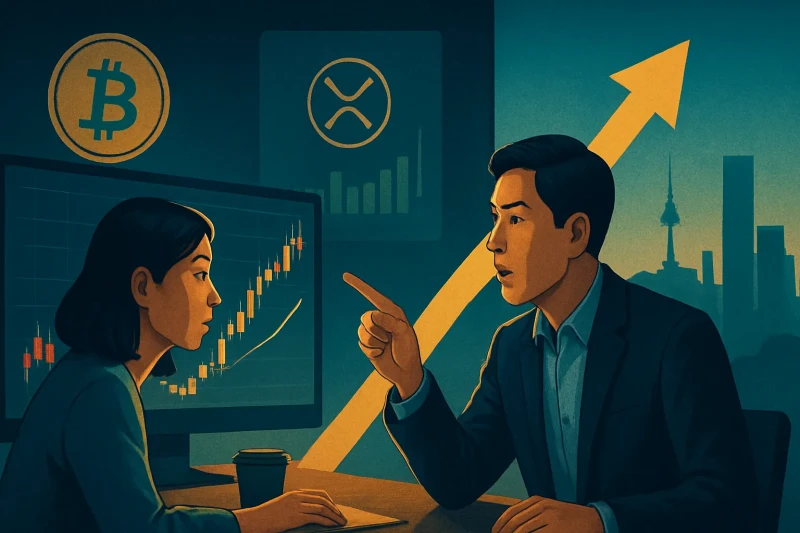
As Seoul’s morning opened, the Korean crypto market experienced a notable surge in transaction volumes by 15% (as of 2026-03-02T05:36:46.000Z). What looks small could spark something big. Korea just flashed a significant signal—a sign global investors often miss until later.
🔍 What Drives Korea's Crypto Market?
The Korean crypto market is distinguished by its unique characteristics, such as the "Kimchi Premium," which reflects the higher prices of cryptocurrencies in Korea compared to global averages. This phenomenon arises from a combination of high demand and regulatory barriers that limit arbitrage opportunities. The importance of these factors cannot be understated as they often lead to price movements that precede global trends. If you’ve traded in Seoul, you know this déjà vu feeling when Korean exchanges outpace global shifts.
⚡ How Does Korea Compare Globally?
Korea’s market dynamics are distinct but interlinked with broader trends. For instance, while global Bitcoin trading volumes have seen a modest increase of 5%, Korea’s volume spike at 15% indicates heightened local investor activity and sentiment. Such divergences highlight both opportunities and risks for investors looking to leverage regional market nuances.
A question for our analytical readers: How might these volume discrepancies impact your strategy?
💡 Understanding the Kimchi Premium
The Kimchi Premium, currently sitting at around 8%, serves as a unique indicator of Korean market conditions. Imagine it like an early weather vane—when it tilts significantly, storms may be brewing on the horizon for global markets too. This premium is not just about price gaps; it signifies investor sentiment and liquidity constraints specific to Korea.
🎯 Active vs Conservative: What's Your Play?
If you're an active investor eyeing quick gains, Korea’s dynamic environment offers fertile ground—but remember to factor in regulatory shifts and local news cycles into your checklist. Conservative players might prefer waiting for clearer alignment between Korean premiums and global averages before making moves.
Your next trade watchlist should definitely include monitoring KRW turnover shares closely—they might offer predictive cues for subsequent market movements.
🚀 Looking Forward
Add KRW turnover share to your watchlist—tomorrow’s move could be the surprise setup that aligns with or diverges from current trends.
I’d probably stay cautious here given recent volatility spikes; most readers might feel the same way.
What do you think this means for the market?

