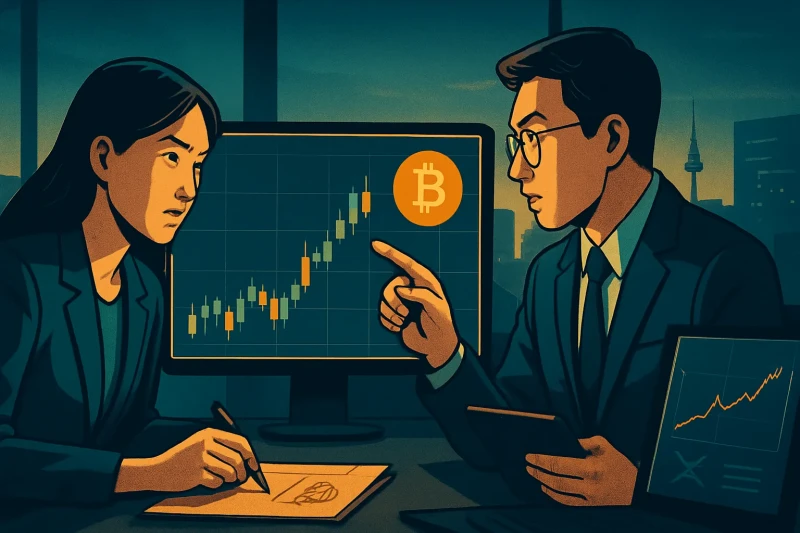
Global flows slowed, but Korea moved first: Bitcoin trading volume surged by 15% (as of 2026-03-21T06:18:04.000Z) tied to a recent policy shift. It’s the chess move effect—Korea makes it, the world reacts a beat later.
The Korean crypto market has once again surprised global investors with its unique dynamics. The sudden surge in Bitcoin trading volume suggests that local sentiment could be indicating a broader market trend. If you’ve traded in Seoul, you know this déjà vu feeling. This subtle yet significant shift offers insights into how macroeconomic factors elsewhere might influence crypto behavior in Korea.
🔍 What Just Happened?
Korea's crypto market has been reacting to global economic cues differently from other regions. Recently, changes in U.S. inflation rates have driven varying responses across markets. While the U.S. saw a conservative approach to digital assets amidst fears of rising interest rates, Korea's response was notably more aggressive with increased trading activity and liquidity influx.
⚡ How Does Korea Compare Globally?
The divergence between Korean and global markets is highlighted by Bitcoin’s trading volume increase compared to a globally modest 5% rise during the same period. In essence, while global markets tread cautiously amidst macroeconomic uncertainties, Korea is demonstrating an appetite for risk-taking as evidenced by this 15% spike. This presents both an opportunity and a cautionary tale for investors looking to capitalize on these differences.
💡 What Signals Are Unique to Korea?
A prime example of Korea-specific signals is the "Kimchi Premium," where Bitcoin trades at higher prices compared to international markets due to local demand exceeding supply. Picture it like buying your favorite snack at a convenience store only because it's not available anywhere else nearby; this premium reflects internal economic conditions and regulatory frameworks that create localized price discrepancies.
🎯 What Should You Do Next?
If you're an active investor, keeping tabs on Korea's KRW turnover share should be part of your next trade watchlist given its potential as an early indicator of broader market shifts. For conservative investors, observing these trends might offer strategic entry points when aligning with personal risk profiles becomes feasible.
🚀 Why Keep Watching Korea?
Add KRW turnover share to your watchlist—tomorrow’s move could be the surprise setup that defines short-term market direction not just within Asia but potentially influencing global sentiment too.
What do you think this means for the market? Your thoughts could open up new discussions on navigating these dynamic shifts effectively!

