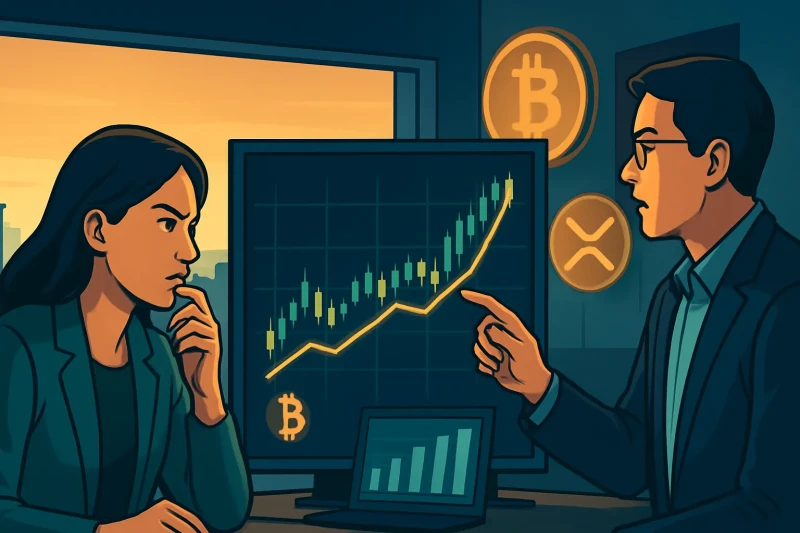
Global flows slowed, but Korea moved first: 13% increase in daily trading volume (as of 2026-05-23T08:24:10.000Z) tied to Bitcoin's latest price action. It’s the chess move effect—Korea makes it, the world reacts a beat later.
Korea just flashed a significant uptick—a sign global investors often miss until later.
🔍 Why is Korea's Crypto Market Growing?
The recent surge in Korea's crypto trading volume highlights its market dynamism compared to global counterparts. While many markets remain cautious amidst regulatory shifts and economic concerns, Korea continues to demonstrate robust engagement from retail investors. This matters globally because such activity can signal upcoming trends or shifts that may ripple across other markets. If you’ve traded in Seoul, you know this déjà vu feeling when local surges precede international interest.
⚡ How Does Korea Compare to Global Markets?
The Korean crypto market has seen a 13% increase in daily trading volumes recently, while globally, volumes have been more stable with less than a 5% fluctuation. This divergence suggests that Korean traders might be responding more swiftly to local and international cues, such as policy changes or major tech announcements. Most readers might feel the same way about the fast-paced nature of Korean markets compared to elsewhere.
💡 What Is the Kimchi Premium Telling Us?
An intriguing aspect of the Korean market is the "Kimchi premium"—a phenomenon where Bitcoin trades at higher prices on Korean exchanges compared to global averages. Think of it like a weather vane for crypto sentiment; when premiums widen, it often indicates strong local demand or speculative behavior. Currently, this premium sits at around 3%, hinting at increasing confidence among Korean investors despite broader market caution.
🎯 What Should Be On Your Watchlist?
Korean traders should keep an eye on both domestic regulatory changes and international macroeconomic factors like US inflation rates and Federal Reserve policies, which could influence crypto prices indirectly through currency value adjustments. For conservative investors, maintaining a diversified portfolio remains advisable; active traders might look for short-term opportunities arising from these fluctuations.
🚀 What’s Next for Market Dynamics?
Add KRW turnover share to your watchlist—tomorrow’s move could be the surprise setup.
If you've experienced these dynamics firsthand or have insights from other markets you're watching closely, what do you think this means for the market? Share your thoughts!

