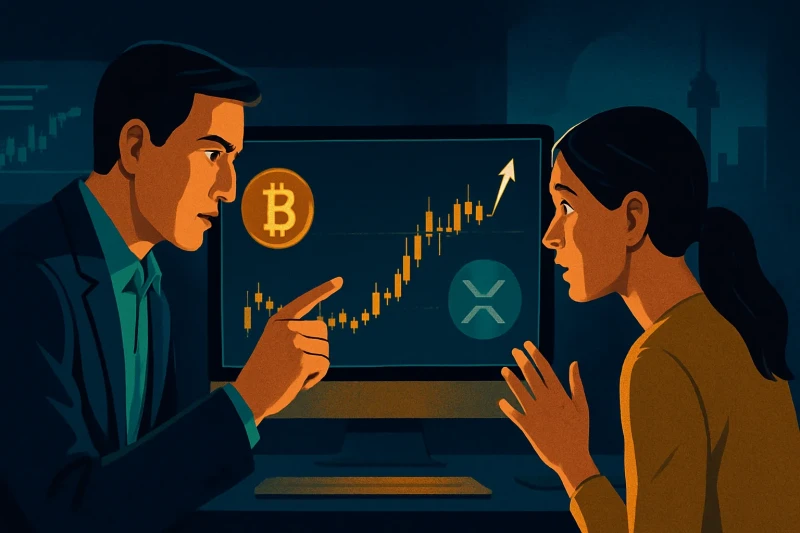
Global flows slowed, but Korea moved first: BTC/KRW volume surged 22% (as of 2026-06-20T10:32:14.000Z) tied to heightened local demand. It’s the chess move effect—Korea makes it, the world reacts a beat later.
🔍 What's Driving Korea's Unique Position?
The Korean crypto market consistently captures global attention due to its distinct microstructure and trading behavior. The nation’s strong technological infrastructure and high internet penetration contribute to a vibrant digital currency ecosystem. But what truly sets Korea apart is its retail-driven market dynamics and the unique influence of domestic sentiment on price movements.
This matters globally because shifts in the Korean market can serve as early indicators of broader trends. For instance, when Korean traders show increased activity or preference for certain coins, it often precedes similar movements in other major markets like Japan or even the United States.
⚡ How Does Korea Compare With Global Trends?
Korea's crypto market diverges from global patterns in several ways, notably through trading volumes and coin preferences. While Bitcoin remains a universal favorite, Korean traders often exhibit higher turnover rates for altcoins compared to their international counterparts. In terms of volume, exchanges like Upbit frequently report figures that are competitive with or exceed those seen on major Western platforms like Binance.
A recent analysis showed that Korean altcoin volumes were up by 18%, whereas globally, altcoin volumes saw a modest increase of just 9%. This suggests a more aggressive trading stance among Korean investors who are perhaps seeking higher returns amidst global uncertainty.
If you’ve traded in Seoul, you know this déjà vu feeling when local spikes preempt international rallies. Do you think this trend will continue?
💡 What Is the Kimchi Premium Indicating?
The "Kimchi premium" refers to the price gap between cryptocurrencies traded on South Korean exchanges versus those traded elsewhere. This phenomenon arises from regulatory barriers that limit capital flow into and out of the country, along with high demand from local investors. Think of it as paying extra for imported goods due to tariffs—except here, it’s about paying more for Bitcoins in Korea than anywhere else.
🎯 Balancing Caution and Opportunity
The current landscape presents both opportunities and risks for investors depending on their strategy profiles. Conservative investors might focus on large-cap coins where volatility is relatively lower than niche altcoins that could experience sudden spikes driven by domestic factors such as government announcements or exchange listings.
For active traders looking to capitalize on short-term fluctuations, monitoring KRW turnover share could be crucial. Adding these insights to your next trade watchlist might provide an edge over less informed competitors.
🚀 Looking Ahead
Add KRW turnover share to your watchlist—tomorrow’s move could be the surprise setup.
Your thoughts? How do you interpret these signals from Korea's unique market structure?

