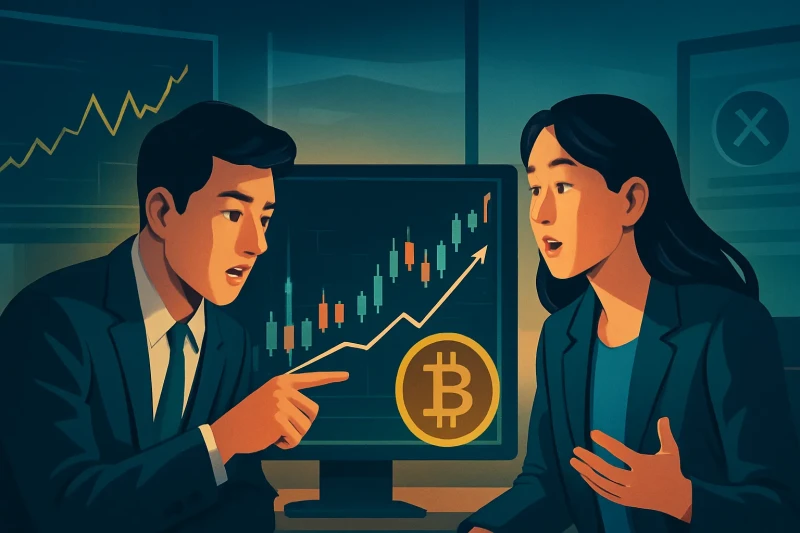
Global flows slowed, but Korea moved first: Bitcoin (BTC) trading volume increased by 25% (as of 2026-06-04T19:41:14.000Z) tied to Seoul’s market activity. It’s the chess move effect—Korea makes it, the world reacts a beat later.
🔍 Why Does Korea's Crypto Activity Matter?
Korea's crypto market has long been a bellwether for global trends. The country's unique combination of tech-savvy population and regulatory landscape makes it a prime incubator for digital asset movements. When Korean exchanges see a surge in activity, like the recent increase in Bitcoin trading volume, it often signals upcoming shifts on the global stage. With South Korea being one of the largest crypto markets by volume, its movements can provide early indications that investors elsewhere may overlook until it's too late.
If you’ve traded in Seoul, you know this déjà vu feeling.
⚡ How Does Korea Compare Globally?
The recent rise in Bitcoin trading volume by 25% contrasts with more modest upticks seen globally. While other major markets showed increases ranging from 5% to 10%, South Korea's significant leap suggests local factors at play. This divergence is not just about numbers; it's an opportunity for those watching closely. The Kimchi premium—a term coined to describe the price difference between Korean exchanges and others—is once again becoming relevant as local demand outstrips supply.
I’d probably stay cautious here…
💡 What Unique Signals Should You Watch?
A key indicator specific to South Korea is the Kimchi premium itself. Think of it like an early warning system for impending price changes worldwide. Much like how weather patterns can signal coming storms, a rising Kimchi premium can indicate intense buying pressure that might spill over internationally. Currently, this premium shows signs of widening—a hint that traders should prepare for potential volatility or arbitrage opportunities.
🎯 What Should Your Strategy Be?
Your approach should depend on your investment style and risk tolerance. Conservative investors might prefer to monitor these metrics as part of their "next trade watchlist," using them to time entries and exits more effectively. Active traders could see these divergences as immediate opportunities—particularly when considering arbitrage plays across different exchanges.
If you're actively managing your portfolio, how does Seoul’s signal fit into your checklist today?
🚀 Final Thoughts
Add KRW turnover share to your watchlist—tomorrow’s move could be the surprise setup you didn’t see coming until now.
What do you think this means for the market?

