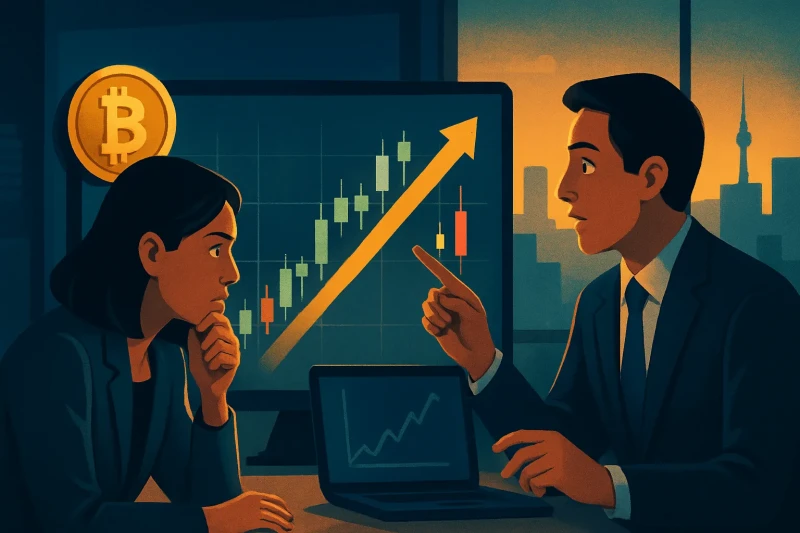
As Seoul’s morning opened, Bitcoin posted $77,281 (as of 2026-06-03T09:34:34.000Z). What looks small could spark something big.
Korea just flashed a local buying surge—a sign global investors often miss until later.
🔍 Why is Korea's Crypto Market Unique?
The South Korean cryptocurrency market stands out due to its high retail participation and the presence of unique market phenomena such as the "Kimchi premium." This refers to the price difference when cryptocurrencies are traded at a higher price in Korea compared to other markets. Global investors need to pay attention because these trends can indicate forthcoming shifts in international markets. If you’ve traded in Seoul, you know this déjà vu feeling—when local signals precede broader trends.
⚡ How Does Korea Compare Globally?
Looking at trading volumes and liquidity, South Korea demonstrates a pronounced divergence from global patterns. For instance, during periods of heightened volatility, Korean exchanges like Upbit often see surges in trading volume, sometimes doubling their average daily trades while global exchanges remain relatively stable. This local enthusiasm can provide opportunities for arbitrage traders who capitalize on price inefficiencies across different exchanges.
This divergence offers a window into potential investment strategies that could leverage these unique market conditions. Could exploiting these differences shape your next trade?
💡 The Kimchi Premium: A Local Indicator with Global Implications
The "Kimchi premium" is not just an indicator of local demand but also acts as a barometer for risk appetite within Korea's crypto community. Think of it like a weather vane—it shows which way the wind is blowing and gives insights into potential shifts in sentiment that might reach other shores eventually. When the premium widens significantly, it’s often followed by increased media attention and regulatory scrutiny both locally and abroad.
🎯 What Should Be on Your Watchlist?
If you’re navigating these waters as an investor, consider keeping an eye on both domestic policy changes and global macroeconomic cues like U.S. inflation rates or Federal Reserve policy adjustments. Conservative investors might focus on risk management by diversifying across assets less susceptible to regional premiums, while active traders may find opportunities in anticipating short-term spikes driven by local trading activities.
Your checklist could include monitoring KRW turnover share or watching for any sudden spikes in Upbit's order book skew as signals for tactical moves.
🚀 Looking Ahead: What Might Tomorrow Bring?
Add KRW turnover share to your watchlist—tomorrow’s move could be the surprise setup that defines your strategy's success or prompts necessary adjustments. I’d probably stay cautious here while waiting for more signals before making big moves.
What do you think this means for the market?

