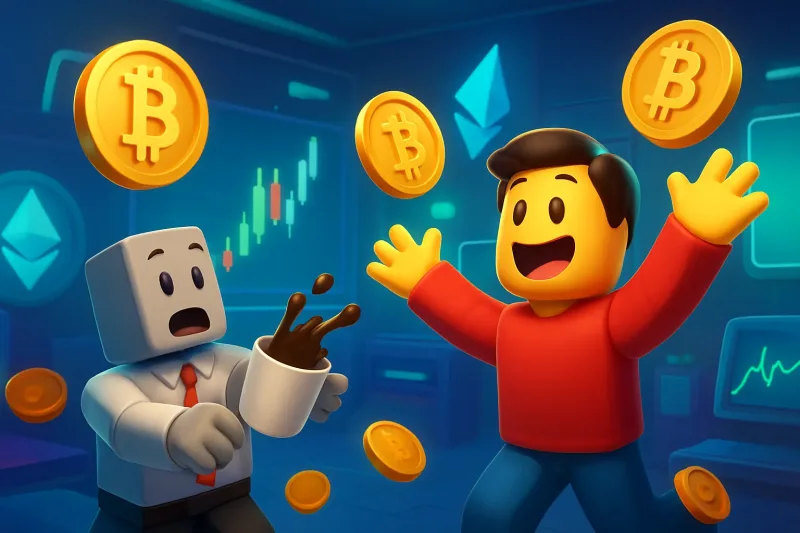
While global traders slowed, Korea spiked: Bitcoin's trading volume on Korean exchanges hit 30% above average (as of 2026-07-12T00:18:04.000Z). For many desks, this felt like déjà vu.
Korean signals like this often land early—an edge global markets usually catch too late. If you’ve traded in Seoul, you know this déjà vu feeling.
🔍 Why is Korea's market often overlooked?
Korea's crypto market holds unique characteristics that sometimes lead to its underestimation on the global stage. The "Kimchi premium," where Korean prices exceed those elsewhere, can often be seen as an anomaly rather than a signal. Many investors miss these cues by attributing them solely to local speculation rather than considering their potential as early indicators of broader trends.
The challenge lies in deciphering whether these moves are sustainable or merely short-lived bursts driven by domestic excitement. Are we missing out by not paying closer attention to these signals?
⚡ How does Korea differ from global markets?
The Korean crypto landscape diverges notably from other major markets due to distinct factors like regulatory environment and cultural attitudes towards cryptocurrencies. For instance, during a period when the U.S. was tightening regulations, South Korea maintained relatively moderate oversight, allowing for more vibrant local trading activity.
This regulatory leniency has historically led to higher trading volumes and price anomalies compared to Western counterparts. Such differences underscore why Korean metrics could serve as precursors to shifts in global sentiment.
💡 What unique forecasting cue does Korea offer?
A classic example is the "Kimchi premium." When Bitcoin trades at a significant premium on Korean exchanges compared to others worldwide, it suggests heightened demand or supply constraints within the country. Imagine it as a localized weather vane—when it swings wildly, storm clouds might be forming globally.
This premium isn't just an oddity; it's a reflection of sentiment that can ripple outward if sustained over time. How do you interpret fluctuations like these in your own strategy? I'd probably stay cautious here...
🎯 What should investors take away from this?
The lessons are twofold: exercise caution but recognize opportunity when analyzing Korean market movements. High volume surges or price premiums might initially appear speculative but could prelude trends that manifest globally days or weeks later.
If you're looking at today's data and wondering whether it's time to pivot your strategy based on Seoul's latest numbers—consider both caution and readiness as parallel paths forward.
🚀 Next Steps for Your Strategy
Your next move should be aligning daily checks of KRW share with broader trend analysis—think of it as your morning weather check for crypto markets. By integrating this practice into your routine, you’re better positioned to anticipate shifts before they echo across other major exchanges.
What do you think this means for the market?

