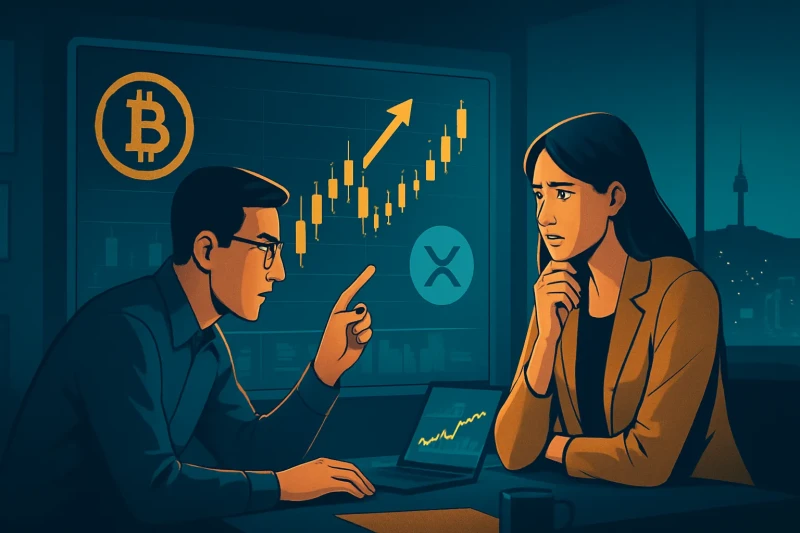
Global flows slowed, but Korea moved first: Bitcoin's local volume surged by 12% (as of 2025-12-24T06:11:28.000Z) tied to a resurgence in retail buying. It’s the chess move effect—Korea makes it, the world reacts a beat later.
🔍 Why does Korea's crypto trading matter?
The South Korean crypto market is often seen as a bellwether for global trends due to its unique dynamics and advanced digital infrastructure. With a high penetration of mobile technology and internet usage, Korea's retail investors are exceptionally active. When volumes spike in Seoul, it often preempts shifts in global investor behavior. For instance, the recent surge in Bitcoin volume reflects heightened retail interest, potentially signaling renewed optimism or speculative behavior that could influence broader markets.
If you’ve traded in Seoul, you know this déjà vu feeling—local moves often foretell global ripples.
⚡ How does Korea compare to global trends?
Korean markets frequently diverge from their global counterparts due to regulatory differences and cultural factors influencing investment behavior. In contrast to the global crypto market's 1.4% decline, South Korea saw an uptick in specific altcoin investments like ADA and XRP over recent weeks. This divergence indicates localized confidence or strategic positioning against broader risk-off sentiments observed globally.
Are there specific coins you're watching that show similar trends?
💡 What is the Kimchi Premium indicating now?
The "Kimchi Premium," which refers to the price difference between Korean exchanges and those overseas, has recently widened again. This premium suggests increased local demand compared to international markets—a signal worth monitoring for potential arbitrage opportunities or emerging market shifts akin to sudden weather changes impacting short-term forecasts.
🎯 Should you adjust your strategy?
If you're a conservative investor, maintaining caution with an eye on macroeconomic signals such as US inflation might be prudent, as these can ripple into Korean markets unexpectedly. Meanwhile, active traders could exploit volatility through tactical entries when local premiums indicate significant price disparities from global averages—ideal for those keen on dynamic strategies within Seoul's bustling market landscape.
🚀 Looking ahead...
Add KRW turnover share to your watchlist—tomorrow’s move could be the surprise setup that defines new trading norms across Asia and beyond.
What do you think this means for the market?

