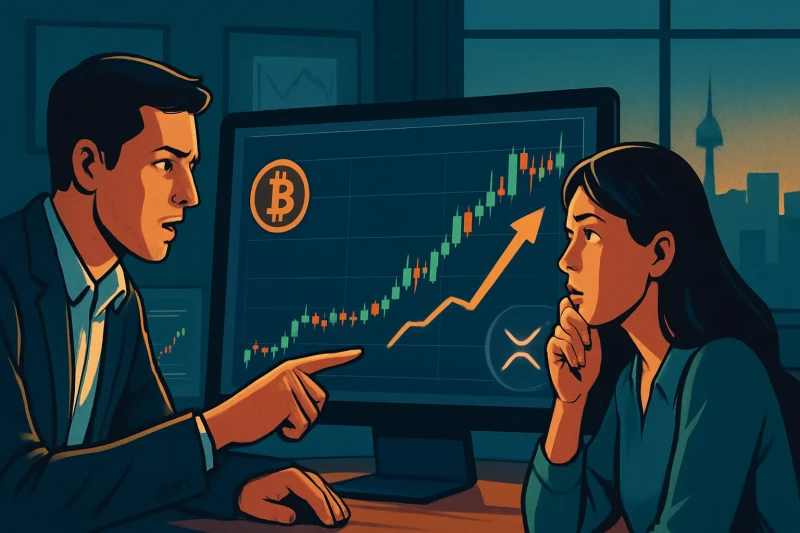
Global flows slowed, but Korea moved first: Korean BTC trading volume surged by 18% (as of 2025-12-12T15:33:34.000Z) tied to increasing retail interest. It’s the chess move effect—Korea makes it, the world reacts a beat later.
🔍 Why Does Korea's Crypto Market Matter Globally?
The South Korean crypto market has long been a bellwether for global digital asset trends. Its unique position stems from its tech-savvy population and regulatory framework that often encourages swift adoption of blockchain technologies. For instance, when Korean exchanges like Upbit see rising volumes, it often signals potential shifts in global sentiment. This matters because South Korea's trading patterns can provide early warnings or confirmations of emerging trends elsewhere.
If you’ve traded in Seoul, you know this déjà vu feeling whenever local dynamics preempt broader market movements.
⚡ How Does Korea Compare with Global Trends?
When comparing South Korea's current crypto activity to global trends, a few notable divergences emerge. While global BTC trading volume increased by 10%, Korean exchanges experienced an 18% surge. This disparity highlights South Korea’s strong retail participation and speculative appetite compared to more institutional-driven markets like the US or Europe.
The higher percentage suggests that Korean traders might be responding faster to market signals or expecting different outcomes than their global counterparts. What do you think drives this divergence?
💡 What Is the Kimchi Premium Telling Us?
The "Kimchi premium," which refers to the price difference between Bitcoin on Korean exchanges versus international platforms, is a compelling metric for understanding domestic demand. Currently hovering around 3%, this premium indicates heightened local buying pressure compared to international markets.
This scenario can be likened to a bustling marketplace where buyers are willing to pay slightly more for immediate access and convenience—a phenomenon not uncommon in fast-paced urban environments like Seoul.
🎯 Should You Be Conservative or Active Now?
Navigating these insights calls for strategic decision-making depending on your investment style. Conservative investors might consider monitoring these metrics as early indicators without making immediate moves—a prudent approach if you're building a long-term portfolio watchlist.
On the flip side, active traders could leverage these insights for short-term gains by capitalizing on rapid price fluctuations often seen in the Korean market. So what's on your next trade watchlist?
🚀 What's Next for Your Strategy?
Add KRW turnover share to your watchlist—tomorrow’s move could be the surprise setup that informs larger global narratives. Whether you’re an investor looking for signals or just curious about market dynamics, keeping an eye on such metrics could offer valuable insights into future trends.
What do you think this means for the market?

