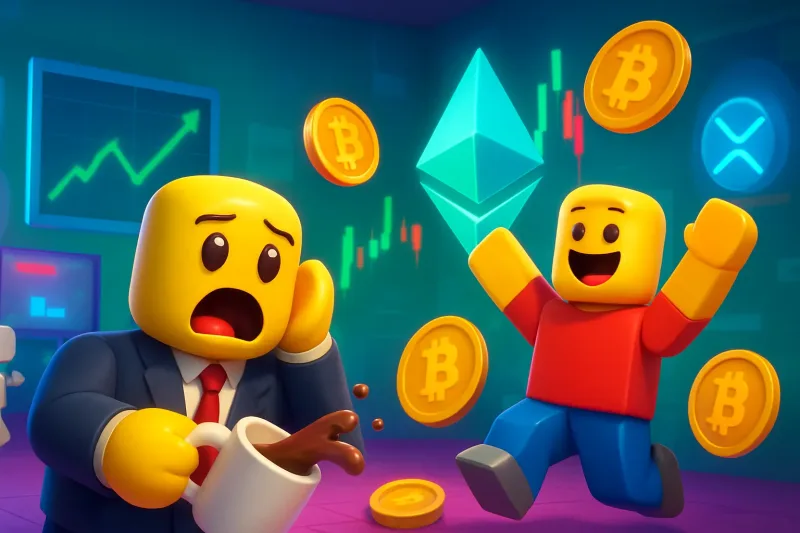
While global traders slowed, Korea spiked: Ethereum trading volume hit 12% above average (as of 2026-06-03T09:23:54.000Z). For many desks, this felt like déjà vu.
Korean signals like this often land early—an edge global markets usually catch too late. If you've traded in Seoul, you know this déjà vu feeling.
🔍 Why is Korea's market often overlooked?
The Korean crypto market presents a unique puzzle for international investors. Despite its size and influence, it often flies under the radar of Western analysts. One reason could be the language barrier and cultural nuances that require a deeper understanding to interpret correctly. Moreover, localized exchanges like Upbit and Bithumb have their own operational quirks that don't always align with mainstream platforms.
If we consider how these factors are compounded by regulatory differences, it becomes clear why many miss out on valuable early signals from Korea. Have you noticed similar patterns in other markets?
⚡ How does Korea differ from global markets?
The contrast between Korean and global crypto markets is strikingly evident in investor behavior and liquidity dynamics. In recent weeks, while global volumes have shown stagnation, Korean activity surged significantly. For instance, domestic traders tend to favor immediate settlement cycles over longer-term holding strategies.
This short-term focus can lead to rapid price movements that catch international traders off guard. Furthermore, the famed "Kimchi premium," where Korean prices exceed those of other countries due to high local demand, highlights regional discrepancies in asset valuation.
Does this volatility present more opportunities or risks for your portfolio strategy?
💡 What unique forecasting cues does Korea offer?
An intriguing aspect of the Korean crypto landscape is its reliance on digital platforms like Naver for trend forecasting. Naver spikes can serve as an informal barometer for market sentiment shifts among retail investors before these trends become apparent globally.
Think of it as watching ripples form before a wave crashes; savvy traders who tune into these early indicators can position themselves advantageously. Most readers might feel the same way when they see these subtle but telling signs emerge on social media or search engines.
🎯 What should investors take away from this?
The key takeaway for investors eyeing the Korean market lies in balancing caution with opportunity recognition. The rapid changes observed here indicate both potential gains and pitfalls if not navigated wisely.
If you're considering entering or expanding within this space, staying updated with real-time data flow from regional exchanges is crucial—this approach could mean staying ahead rather than playing catch-up internationally.
🚀 What are your next steps?
A practical step forward would be to track KRW share daily—think of it as your morning weather check for crypto. This simple habit could vastly improve how you anticipate market shifts tied directly to geopolitical or economic events affecting South Korea specifically.
What do you think this means for the market?

